November 1, 2025 | 5 min read | By: David Harris
Greetings Customers & Friends,
I hope everyone had a great Thanksgiving holiday. The Christmas season is upon us, and I don’t think I’ll ever get any better at planning for the holidays. This year I have four grandchildren, up from two last Christmas. Thankfully, my wife Becky helps me keep everything together.
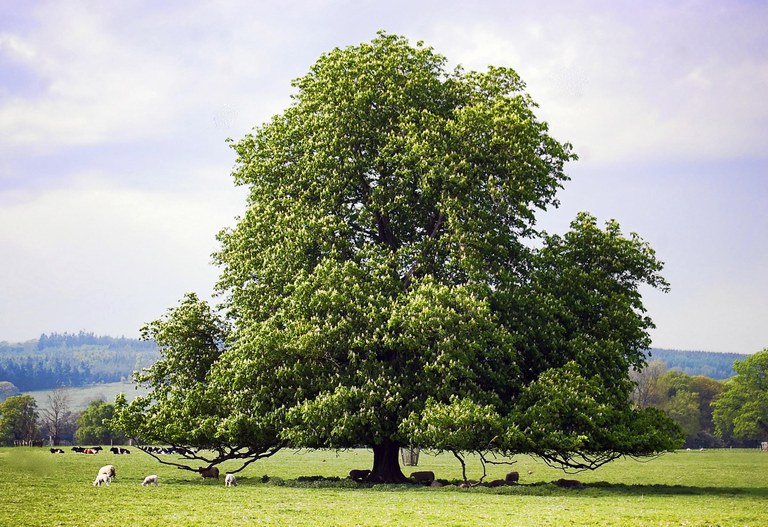
From the time I first took an interest in woodworking back at Bolton High School, one of my favorite woods has been American Chestnut. I’ve written a number of times about how I was influenced by Roger Titus, my high school shop teacher. I was not the only one. A classmate of mine built a dining room trestle-style table and benches using wormy chestnut. It was a gorgeous piece of furniture and was influential in chestnut becoming one of my favorites. Of course, the only chestnut that can be purchased today is reclaimed. The history of the species is quite interesting.
There was a time in America—within the lifetime of our great-grandparents—when the American chestnut was nothing short of legendary. Towering over rural communities from Maine to Georgia, these trees dominated the Eastern forests. They grew straight, tall, and strong; some reached ten feet in diameter and soared over one hundred feet high. In many towns, they were so abundant that locals described entire ridgelines as “Chestnut seas,” shimmering with white blossoms each June. To early Americans, the Chestnut was more than a tree—it was a way of life. Its wood was remarkably workable: lightweight, rot-resistant, easy to mill, and exceptionally durable. Farmers used it for barns and fence posts. Furniture makers valued its warm grain and stability. Railroad builders prized it for long-lasting ties. And every fall, its sweet, protein-rich nuts fed families, livestock, and wildlife. It’s no exaggeration to say the American chestnut was once an economic and ecological backbone of the Appalachian region.
But in the early 1900s, everything changed. A seemingly small event—just a few infected imported trees—unleashed one of the greatest ecological disasters in North American history. In 1904, scientists at the Bronx Zoo noticed unusual cankers on Chestnut trees nearby. The cause was a fungus, Cryphonectria parasitica, accidentally brought over from Asia in 1876. The American chestnut, having never encountered this fungus, had no natural defense, and the blight spread with astonishing speed. Wind, rain, birds, and insects carried fungal spores from tree to tree. Infected bark split and oozed. Bright orange cankers formed like wounds, slowly girdling trunks and cutting off nutrients. A tree that had stood for centuries could be reduced to a lifeless stump in a matter of months.
Within 40 years, nearly four billion American chestnuts had died across the eastern United States. Imagine entire forests falling silent. Hillsides once dominated by chestnut trunks became ghostly stands of dead wood. Rural communities that relied on Chestnut for timber, building materials, and seasonal income saw their culture shift overnight. Wildlife—from bears to wild turkey—lost a critical food source. It was, in every sense, the end of an era. Yet the story doesn’t end in tragedy. American Chestnut roots are tenacious; the blight kills the tree above ground, but the root system often survives, sending up new shoots again and again. Most never grow large enough to mature, but their persistence keeps hope alive, and in recent decades, scientists, foresters, and conservationists have been working tirelessly to bring the tree back through selective breeding, genetic resistance, and careful forest management. Across the East Coast, young chestnuts are once again being planted, tested, and nurtured. Today, we don’t yet have the vast chestnut forests of old—but we have something powerful: a chance at restoration. A chance to bring back one of America’s greatest trees.
At Parkerville, many of us in woodworking feel a special connection to the American chestnut. Salvaged chestnut—often reclaimed from old barns—still passes through our mill regularly, each piece telling a story of history, resilience, and loss. The fall of the American chestnut stands as a profound chapter in our natural history. But its ongoing comeback is a testament to human dedication, scientific ingenuity, and the enduring will of nature.
As we approach the end of 2025, I want to once again thank you, our valuable customers, for supporting our team here at Parkerville this year. We will continue to work hard every day, provide premium lumber, and build beautiful things to earn your trust and your business. Words can’t express how grateful I am.
I wish you all the happiest of holidays and a healthy and prosperous 2026.
Hope to see you at the shop,
Sincerely,
David Harris, President
Parkerville Wood Products, Inc
Do you need help with a woodworking or wood-related project and don’t know where to turn? We’re here to help. Whether you’re looking for consultation and advice, want help with design options or you’re simply looking for the right selection of wood for your project, we’re more than happy to assist you. Need help when it comes to milling or other services? We can assist you with that as well.


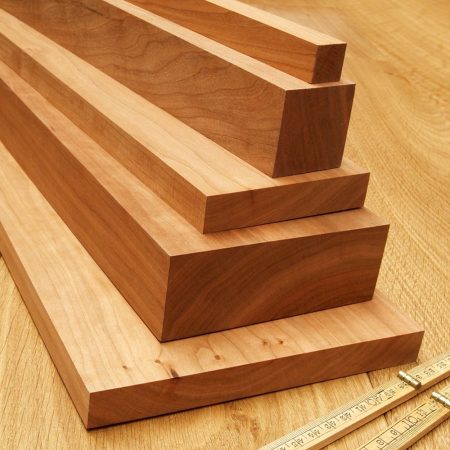
In celebration of President’s Day, our selection of 4/4 Cherry is on sale! Regular 4/4 Cherry is discounted to $3.99 bf with 8+” wide at $4.49.
Sale runs until February 24th!
** We’re open until 7 PM on Thursdays **